Tag: Travel Photography

  • Freiburg

    Freiburg

    Good Friday in an Empty City

    We reached Freiburg on Good Friday, and the city was holding its breath. Holy Week on the German side of the Rhine is taken seriously — Good Friday and Easter Sunday most of all. Shops and restaurants close, and people stay home or go to church. Walking the old town that morning, the streets belonged to a handful of tourists. Everyone else was indoors.

    The planning

    Easter weekend shaped the whole day. On the German side, Holy Week, Good Friday, and Easter Sunday are spent at home or at church, and almost everything closes for the holiday. So the plan was simple: walk the city while it was quiet and let the cathedral be the destination. One day later and one border over, Strasbourg would be packed with people enjoying the same holiday — the French side celebrates in the streets. Same river, two entirely different towns.

    The gear

    Fujifilm X100T, 23mm fixed lens — the small-town walk camera, on the day built for walking.

    What went wrong

    Nothing worth reporting. A quiet holiday in a quiet city.

    The shot that came out
    Freiburg Canal Monster

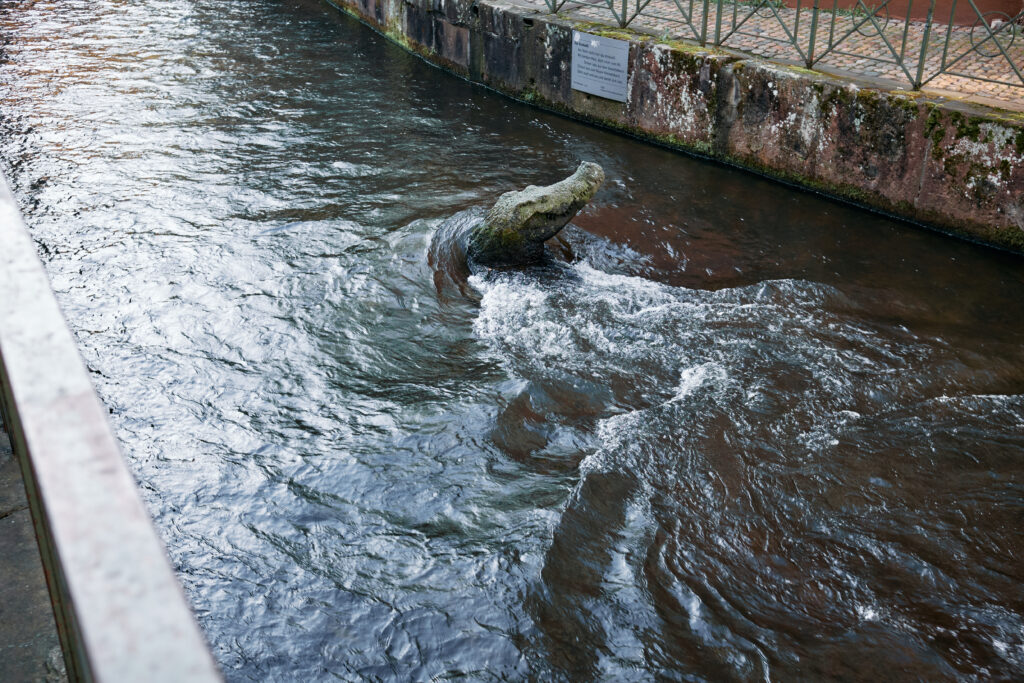
    The canal runs through the old town, and standing in it is a monster. An alligator statue, jaws up, half-submerged where the current breaks around it. Every German town seems to have a version of this story: parents told their children that if they misbehaved, the canal monster would come for them. Freiburg’s parents had been warning kids about a monster that didn’t exist — so eventually the city put one in the canal. The warning became literal. It’s the best kind of civic joke: official enough to be permanent, dark enough to keep working on children three hundred years later.
    Gargoyles on the tower

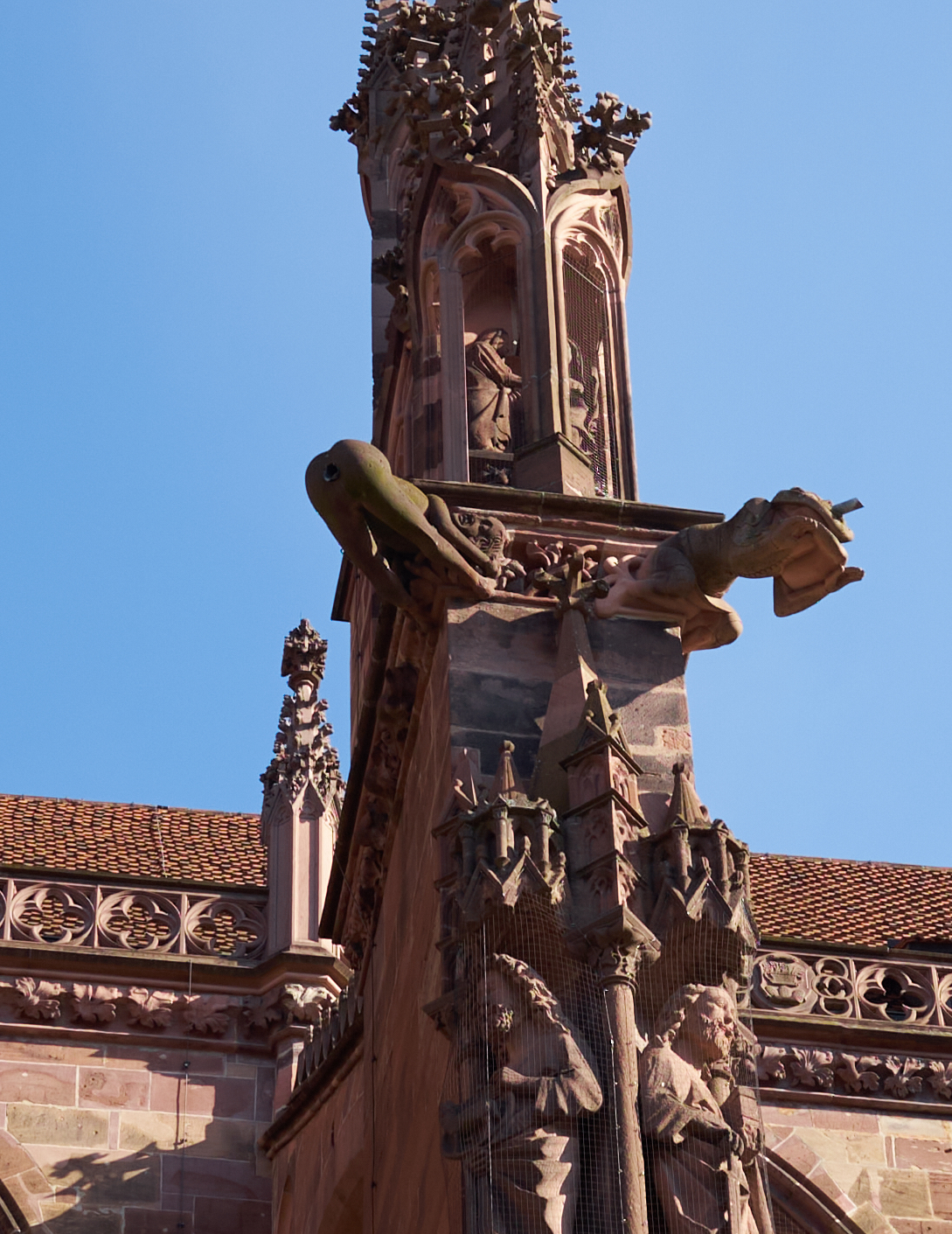
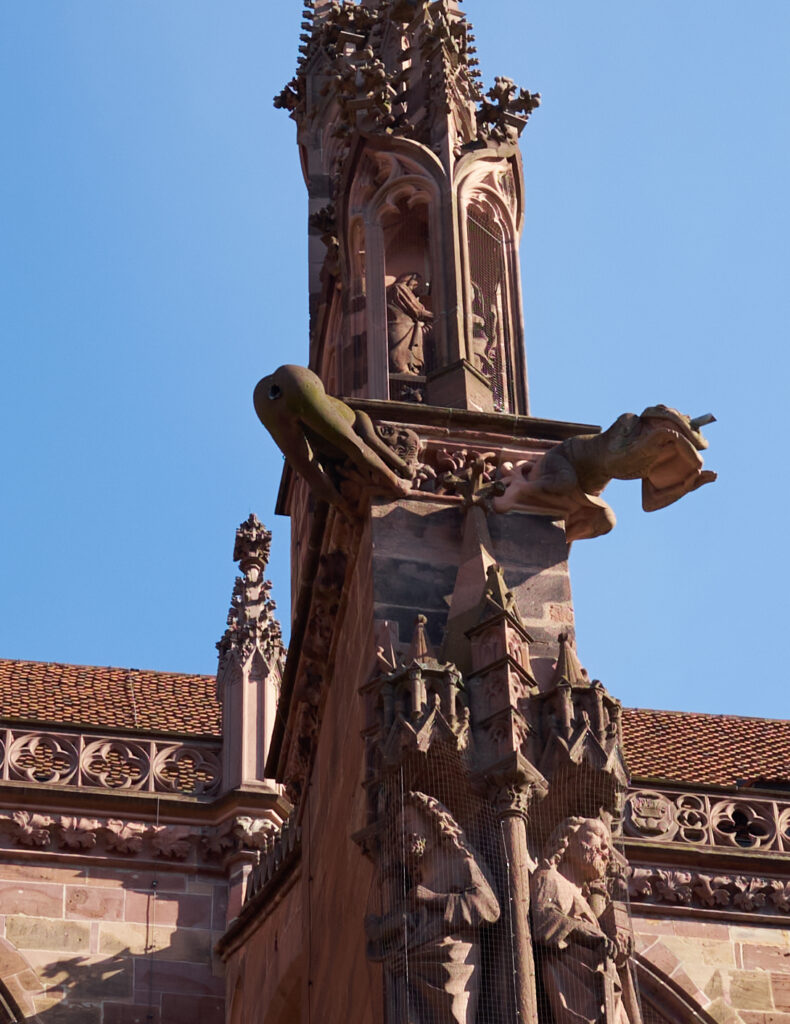
    The cathedral spire carries a grudge. The noble who commissioned the cathedral had a purser — a paymaster — who withheld the workers’ wages. The architect got even the medieval way: he carved the purser’s wife as a gargoyle and set her on the tower, with the water coming out of her backside. She has been up there ever since, spouting at the city that shorted the workers. Other tellings blame the city council and a nameless stonemason, and leave the wife out of it entirely — but as the Irish say, never let the truth get in the way of a good story. The purser’s wife stays.

    And the cathedral is a copy. The Freiburg cathedral was built from the same plans as the cathedral in Strasbourg — an exact match, both rising from the same drawings. That coincidence turned deadly during WWII: Allied pilots used the twin spires as waypoints on their bombing runs, and one group, certain they were over Strasbourg, bombed part of France instead of Germany. Two identical towers, one border, and a navigation error written in stone.
    Breisach Watercolor

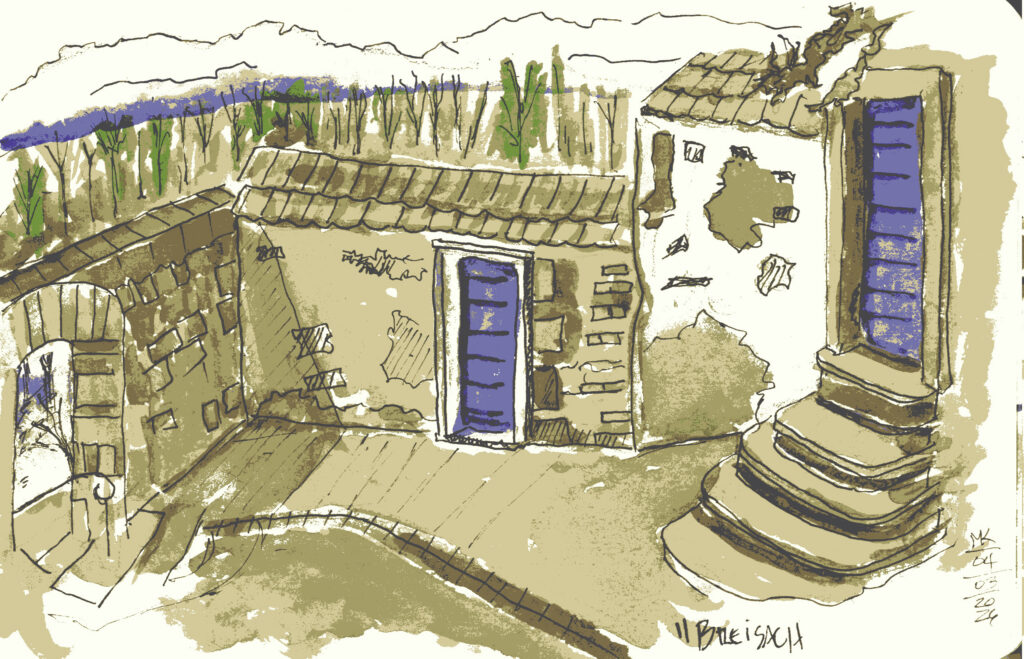
    After lunch, back aboard at Breisach — the boat docks there while the coach runs to Freiburg — I walked up into Breisach itself to scout photographs and painting subjects. It was Good Friday, and the town was filling with people arriving for church services. I found the scene above and thought it looked like a fun one to paint. As I worked, a family gathered nearby, talking among themselves. Their kids wandered over to see what I was doing and stood watching for a while.

    That happened again and again as the cruise went on — except it wasn’t just locals. The other passengers started coming over to look at what I was painting, then seeking me out to see the paintings themselves. The painting, it turned out, got me adopted by the whole ship.

    What I learned

    1. The stories are in the stone. A monster dropped into a canal and an architect’s revenge on a tower — none of it appears in the guidebook summary, and all of it is better than the architecture alone. Ask what the locals were laughing about when they built it.
    2. A closed city is a gift. Good Friday emptied the streets, and for one morning the old town belonged to whoever showed up. The crowds in Strasbourg the next day were the price of the party.

    Coming next: Strasbourg


    Camera: Fujifilm X100T
    Lens: 23mm fixed
    Exposure:
    Tracker:
    Location: Freiburg, Germany
    Captured: April 3, 2026
  • Traveling from Basel to Nuremberg on the Rhine and Main

    Traveling from Basel to Nuremberg on the Rhine and Main

    It was two years in the making: get a group of 4 couples scheduled on a cruise on the Rhine and Main rivers from Basel, Switzerland to Nuremberg, Germany. The reason for the trip: to celebrate 8 close friends who had reached a new milestone in their lives — retiring from our jobs.

    When we first started talking about the trip, the idea of a cruise came up quickly. Some of us have been on many cruises and we all liked the idea that we could individually schedule excursions for the day and meet in the evening for dinner. We also liked the idea of a river cruise for several reasons:

    1. Smaller number of guests on the riverboat.
    2. No formal seating assignments — you had the opportunity to mingle with other guests.
    3. More stops along the river.
    4. Travel by night — go to sleep in one city, wake up in another.
    5. The Viking cruise line includes a lot of things that ocean-going cruises don’t, like morning excursions into the city for free.
    6. Closer access and a closer relationship with the crew on the riverboat.

    Oh, and we learned just before we made our booking that our daughter and son-in-law were expecting their first child, who would be born sometime in early to mid March. Nona and Poppi — the names we would use with the new baby — were not going to miss that life-changing event for anything.

    The planning

    We started our planning on a group call with Dean, our travel advisor, from Viking. We shared the list of things we liked and didn’t like about our experiences with ocean-going cruises, and he was able to help us refine our expectations and requirements for the cruise. We all recognized that this would be a cruise of a lifetime, so we were amenable to a longer duration — 11 days, with the option for an additional 3 days on our own.

    Next came the time of year. Dean explained that the best times for a river cruise are earlier in the year, after a period with lots of rain. In the heat of the summer, water levels drop and you run the risk of having to travel by motor coach from port to port. We settled on early April based on our calendars and the projected weather. We knew that it would be cool, and there might still be rainy days, but this seemed to make the most sense for us. And it worked perfectly.

    The itinerary

    Travel to Europe from the United States almost always requires departure later in the day and arrival at your destination in the morning. Flights from the East Coast of the US to central Europe are usually 5-6 hours in actual flight time, but you are crossing 5 or 6 time zones along the way. Our flight departed on March 31 and arrived in Basel on April 1.

    Viking also offered us the opportunity to extend our stay by 3 days. My wife and I decided to take advantage of that and spend those three days in Munich, then leave Munich on April 14 for our return flight home.

    This was our itinerary:

    DateDepartureArrival
    March 31ColumbusChicago
    March 31ChicagoFrankfurt
    April 1FrankfurtBasel
    April 2BaselFreiburg
    April 3FreiburgStrasbourg
    April 4StrasbourgKarlsruhe
    April 5KarlsruheFrankfurt
    April 6FrankfurtLohr am Main
    April 7Lohr am MainWürzburg
    April 8WürzburgBaden Baden
    April 9Baden BadenNuremberg
    April 10Nuremberg
    April 11NurembergMunich
    April 12MunichDachau
    April 13MunichNeuschwanstein
    April 14MunichColumbus

    The series

    Over the course of the next 12 weeks, I will be posting an entry about each of the cities we visited, along with some of the key images that I captured.

    This series is designed for both photographers and non-photographers. I talk about what I experienced in those different cities and the images that I liked the best. And I have a couple of sections that speak to people interested in photography — the technical details about the images: what worked, what didn’t, what I considered the best photo of the day. Each article is scheduled to be posted on Monday morning (Eastern Daylight / Standard Time). There is a comments section at the bottom of each article. I’d love to hear your thoughts on the images and the story, good or bad. What did you like, what kind of stories or images would you like to see in the future?

    And if you are interested in a print of an image, you can click on the photo to go to a place where you can purchase your own copy.

    The images

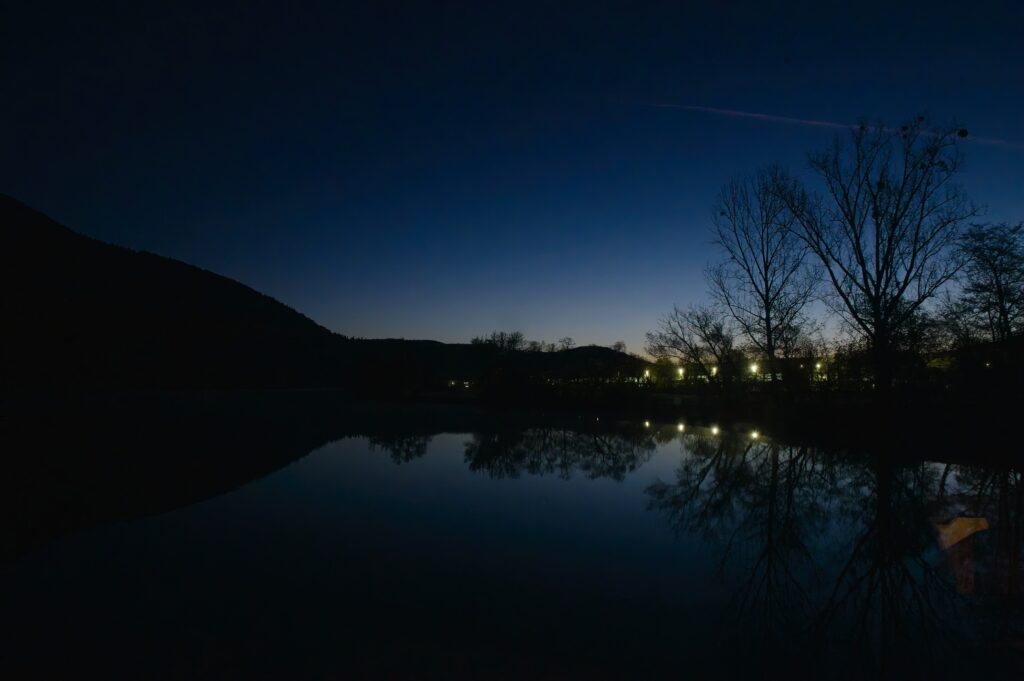
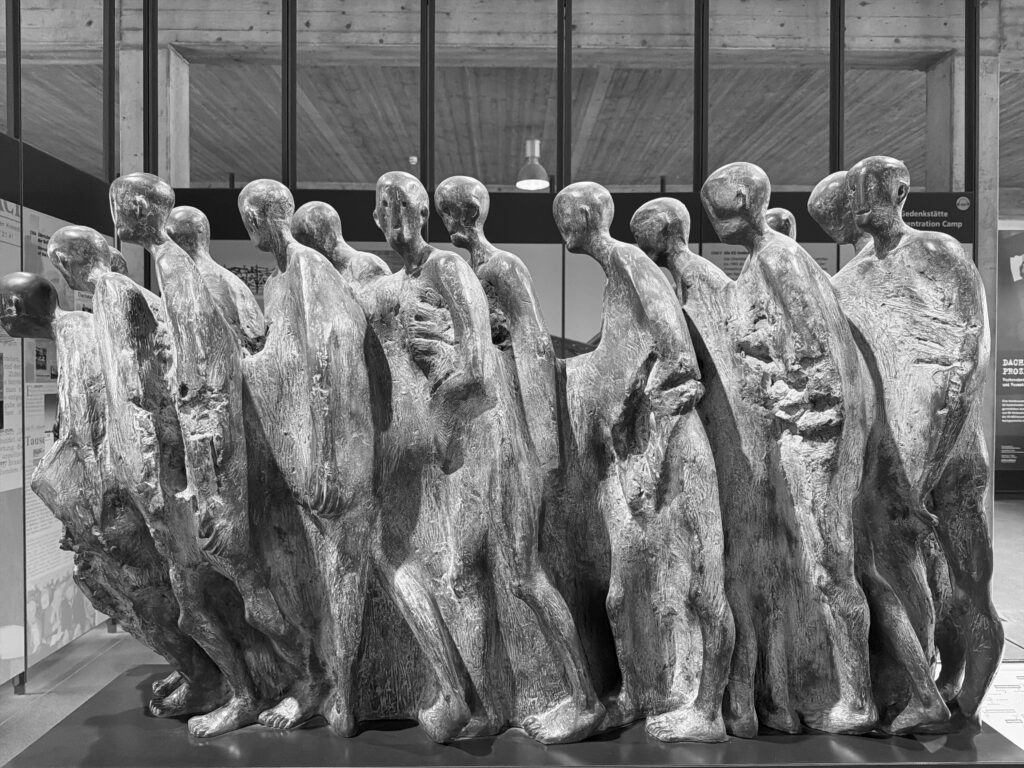
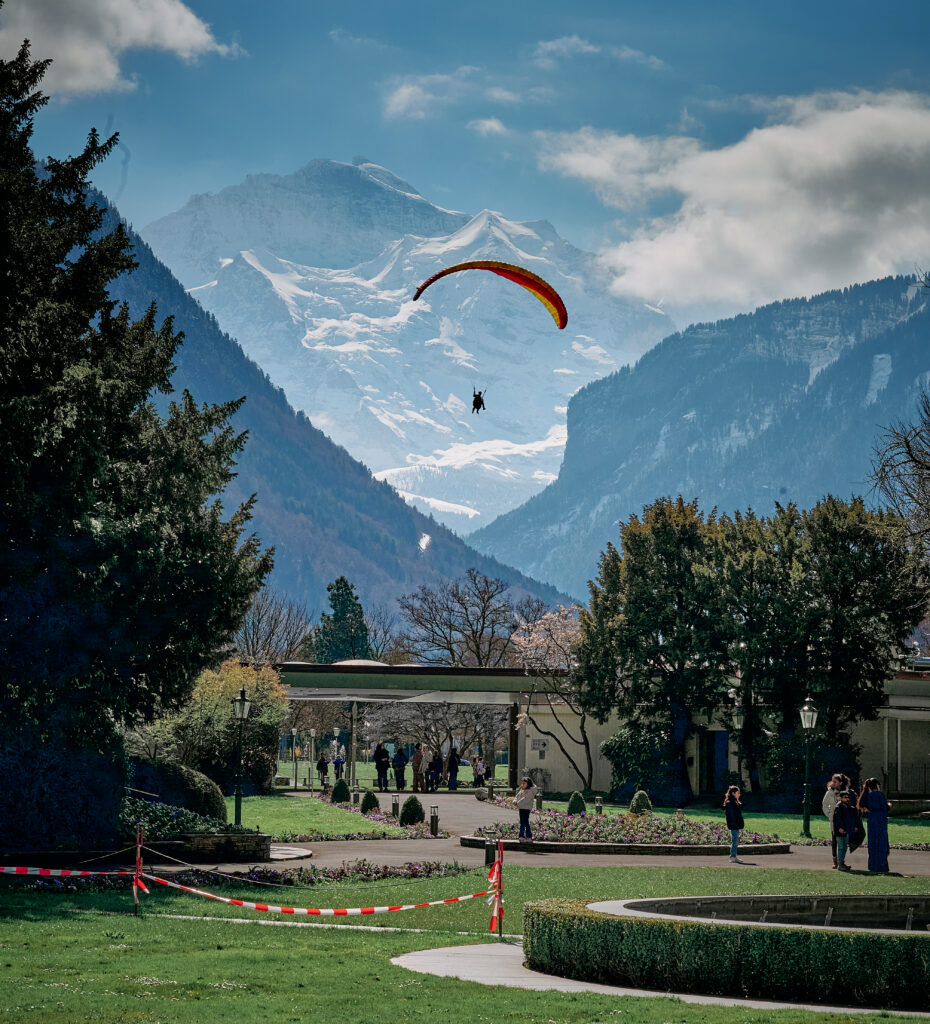
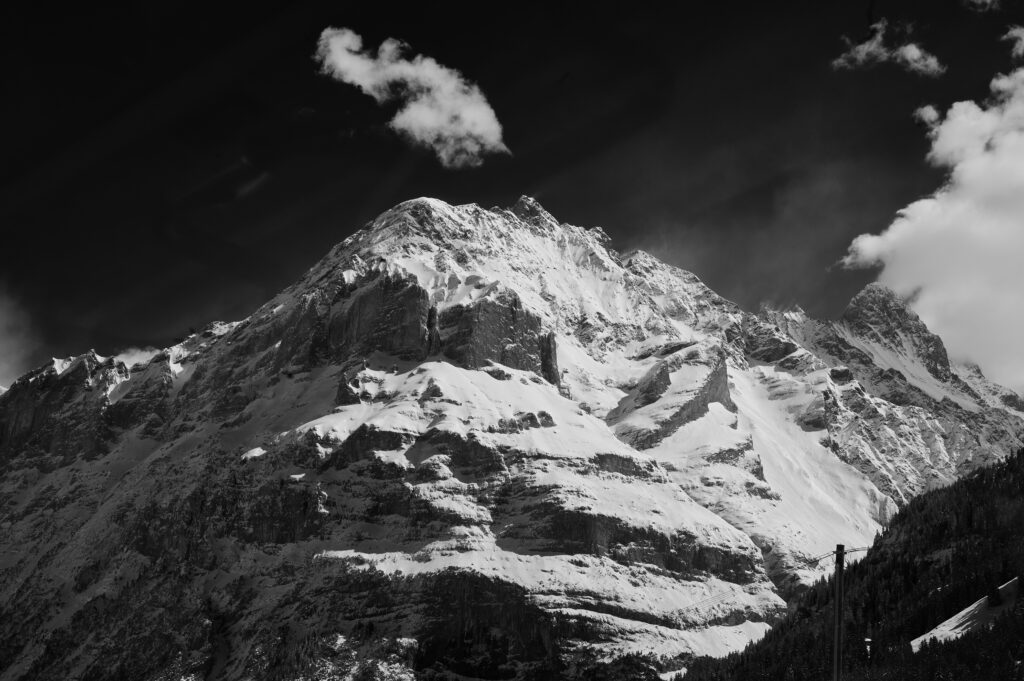
    Here’s a little teaser of the images you’ll be seeing in this series. Think of it as an amuse bouche for the eyes.

    The gear

    I took two cameras on the trip. I brought my Nikon Z6 with three lenses (Nikon Z 28-70 f/2.8, Nikon 85mm f/1.8, and a Sigma 56mm f/2.8), and my Fujifilm X100T. We all had mobile phones with cameras, but I needed my other cameras to give me more control over the technical elements of the photo. I also had my phone camera for times when I wanted to focus on being in the moment.

    The shot that came out

    Europe is a beautiful place: the mountains, the rivers, the cities, the history, and most importantly, the people.

    With three cameras, you can imagine that I took a lot of photos. Working through all of those images to whittle them down to a few really amazing ones takes time (but hey, I’m retired — what else do I have to do? Oh, and there’s the grandbaby!).

    I think that this is my absolute favorite image of the trip.

    The Monk

    What went wrong

    Viking does a fantastic job of helping you prepare for the trip: information on how to obtain a passport; forms of personal information needed by the various national governments and for the cruise staff; airline reservations; travel to and from the riverboat in the destination cities; and any accommodations for mobility or diet.

    The one challenge that we had was with our airline flights. Travel from Columbus internationally is always complex, because it’s a smaller airport — we have to make connecting flights domestically and then get the international flight from a larger airport.

    Our flight from Columbus to Chicago was held for over an hour due to bad weather in Chicago. We made it to our connecting flight, boarded, then had another ground hold in Chicago due to weather in Frankfurt. Due to both delays, we missed our flight from Frankfurt to Basel.

    At that point, we recorded our 10,000 steps for the day going back and forth through Frankfurt airport to get to the Lufthansa customer service area. The Lufthansa team did a great job getting us sorted out, and we were back on our way to Basel.

    It was a little stressful, but we eventually got to the riverboat and on with our journey.

    What I learned

    It’s easy to fall into the trap of shotgunning your images by clicking away without putting any real thought into what you are seeing and how best to capture it. What I learned (and have continued to work on) is to slow down, take a breath, and really look at the scene. How does the light fall? Where is the best point to focus? What is the frame? Can you move to a spot that gives you a chance to have layers in the photo?

    When you are shooting street photography, you often don’t have a lot of time to think of all that in the moment. But for street photography, your preparation before any shot is the most important — is the zone of focus deep enough to capture the important details? How is the light changing as time goes on? Am I in an area where a guy with a camera stands out like a clown at a funeral (unless the dearly deceased was a clown himself)?

    1. Be patient. Unless you are shooting the running of the bulls in Pamplona, take your time. Let the image develop.
    2. Preparation is key. Before you shoot, do you have the right lens for the shots you will be taking? Have you spotted a place where capturing good images can happen?

    Coming next: Basel, Switzerland


    Camera: Nikon Z6, Fujifilm X100T
    Lens: Nikon Z 28-70 f/2.8, 85mm f/1.8, Sigma 56mm f/2.8; Fuji 23mm fixed
    Exposure: Various
    Tracker:
    Location: Basel, Switzerland to Nuremberg, Germany — the Rhine and Main rivers
    Captured: April 1–13, 2026